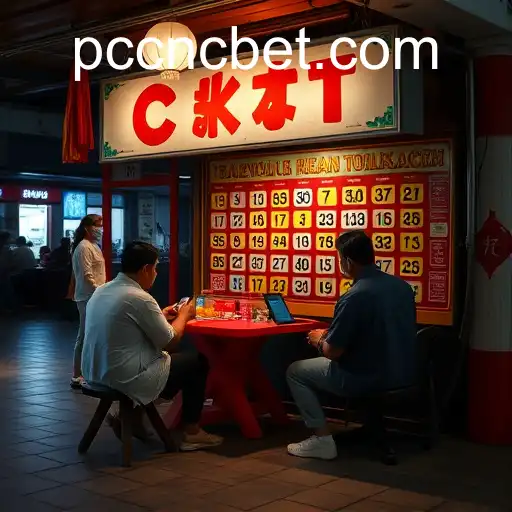
Understanding Jueteng: A Closer Look at the Illegal Numbers Game
Jueteng, a popular yet illicit numbers game in the Philippines, has long been a contentious issue. Despite efforts to eradicate it, Jueteng continues to thrive in many communities. This article explores the mechanics of Jueteng, its cultural significance, and the challenges faced in curbing this pervasive act.
The Intricate Mechanics of Jueteng
122betJueteng, akin to a lottery, involves players betting on a combination of numbers, usually ranging from one to 37. Each game is orchestrated by a network of people who ensure the smooth operation from collection to the announcement of winning numbers. The individuals involved typically include the kubrador (bettor), the kabo (controller), and the jueteng lord.
The kubrador is the person responsible for collecting bets from the players. They roam neighborhoods, going door to door, to gather bets. Once the bets are gathered, they report them to the kabo, who oversees several kubradors and calculates the odds. The jueteng lord, usually a person of influence, orchestrates and funds these operations, ensuring the game remains attractive and lucrative.
The Cultural Significance of Jueteng
777tigerIn many communities, Jueteng is more than just a game; it is a social activity deeply embedded in daily life. Despite its illegality, it provides a sense of hope for many individuals living in poverty, promising quick rewards with minimal investment. Its existence highlights the socio-economic disparities where formal employment opportunities are scarce.23bet
The game is often seen at community gatherings, becoming a tradition passed down through generations. Jueteng is not merely about luck, but it also involves a level of strategy and foresight, making it an enticing pursuit for many.
Challenges in Eradicating Jueteng
Efforts to eliminate Jueteng have faced numerous obstacles. Corruption plays a significant role in its persistence, with claims that government officials and law enforcement agencies are sometimes complicit. The game generates considerable income that fuels local economies, creating a dilemma for authorities tasked with stamping it out.
Moreover, attempts to introduce legalized and regulated gambling alternatives, like the Philippine Charity Sweepstakes Office's Small Town Lottery (STL), have met with mixed outcomes. While STL aims to redirect revenue from illegal to legal channels, it has not entirely supplanted Jueteng due to perceived lack of transparency and trust.
The CNCBet Connection
In recent years, the rise of online betting platforms like CNCBet has transformed how people engage with gambling activities. While CNCBet and similar platforms might offer more secure and regulated options, they nonetheless highlight the nuances in gambling culture within the Philippines.
Online platforms provide an accessible alternative, aligning with global shifts towards e-commerce and digital interactions. However, the anonymity and ease of access these platforms offer can pose new challenges, potentially exacerbating existing issues related to illegal gambling.
Efforts in Addressing the Jueteng Phenomenon
Several non-governmental organizations focus on educational programs and community building as means to address the economic and social factors contributing to Jueteng's popularity. By empowering communities with more lucrative and sustainable alternatives, the hope is to gradually diminish Jueteng's appeal.
11betAt the policy level, comprehensive reforms and stricter enforcement of anti-gambling laws are imperative. However, success largely depends on transparency and the government's ability to provide viable legal alternatives that can match Jueteng's widespread appeal.
The Path Forward
As the Philippines grapples with this persistent issue, a multifaceted approach is required—one that balances cultural sensitivities with legal imperatives. Tackling Jueteng involves not only enforcement but also creating economic and social conditions that eliminate the demand for such illicit activities.
79m